
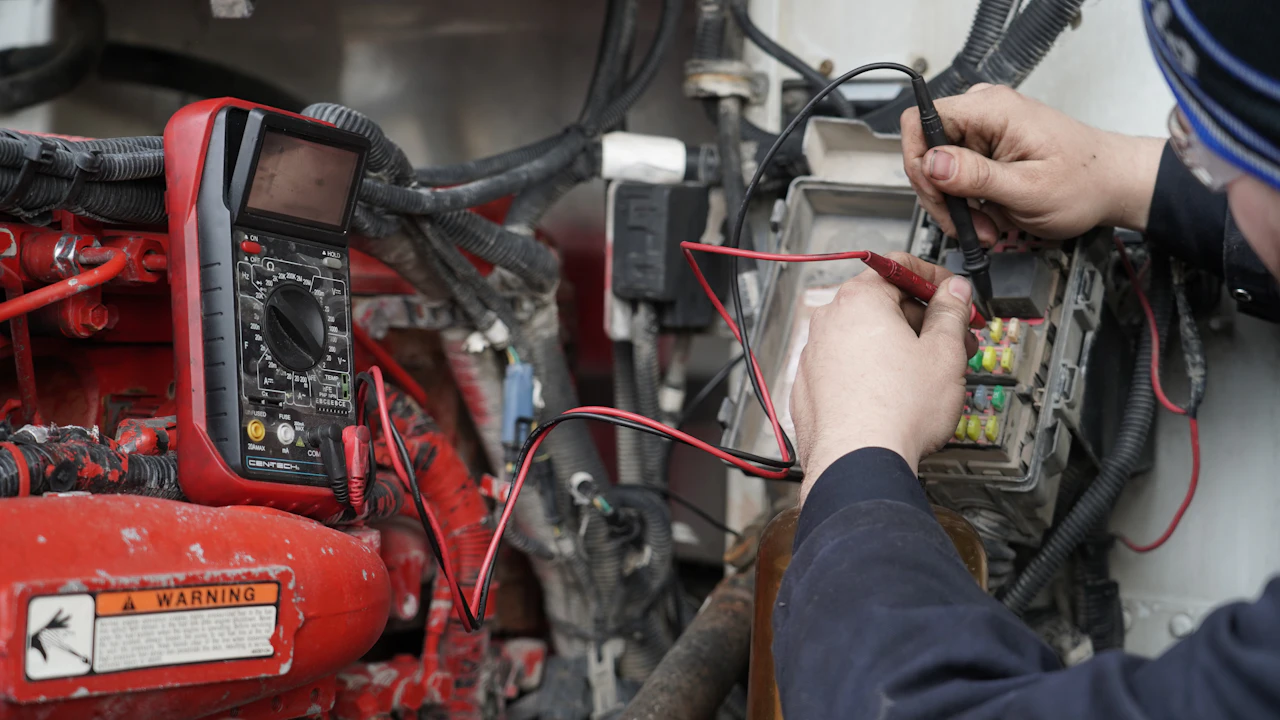
Your truck holds speed fine until a grade, heavy load, or acceleration demand makes it fall flat. A truck losing power along Highway 105 may have a fuel, air, cooling, aftertreatment, electronic, or mechanical problem that only becomes obvious under load.
Early on-site computer diagnostics can help identify what is limiting engine output before the truck ends up stranded near Conroe or farther along the route.
Why Does a Truck Lose Power Under Load?
A diesel engine needs the correct amount of clean air, fuel, boost, compression, and electronic control to produce power. Problems in any of those areas can make a truck feel normal at light throttle but struggle once engine demand rises.
That is why diesel power loss should be diagnosed rather than blamed on the first component that seems suspicious. Several systems can create nearly identical symptoms.
Drivers may notice:
- Slow acceleration
- Trouble maintaining highway speed
- Weak performance on grades
- Reduced throttle response
- Excessive smoke
- Warning lights
- Engine derate
- Higher-than-normal temperatures
Knowing exactly when the symptom appears gives a technician useful information before testing begins.
Can a Clogged Fuel Filter Cause Highway Power Loss?
A restricted fuel filter can limit the amount of diesel reaching the engine when fuel demand increases. The truck may idle normally and drive reasonably well at lower speeds. Once you accelerate onto Highway 105 or pull a heavier load, the engine may struggle because the fuel system cannot maintain the required supply.
A technician performing fuel system diagnostics may inspect filters, check fuel pressure, look for air entering the system, and evaluate related components.
Replacing a restricted filter may solve the problem in some cases. If the restriction came from contaminated fuel or another fuel-system problem, however, the underlying cause still needs attention.
How Do Turbocharger and Boost Problems Reduce Power?
The turbocharger helps supply the engine with compressed intake air. If the engine cannot produce or maintain expected boost, power can drop noticeably under acceleration and load. A damaged charge-air hose, loose connection, leaking intercooler, actuator problem, sensor fault, or turbocharger issue may all cause low boost pressure.
You might hear unusual whistling, notice smoke, or feel the engine struggle to build power. Still, those symptoms do not prove that the turbocharger itself has failed.
Technicians can compare commanded and actual boost readings and inspect the intake system for leaks. This prevents an expensive turbocharger replacement when a damaged hose or electronic problem is actually responsible.
Can Sensor or ECM Problems Make a Truck Feel Underpowered?
Modern diesel engines rely on the engine control module and multiple sensors to manage fueling, boost, temperature, emissions systems, and other operating functions. Incorrect sensor readings can cause the ECM to reduce output or make operating decisions based on inaccurate information. A wiring fault can create similar trouble even when the sensor itself remains functional.
Professional diesel computer diagnostics can retrieve fault codes and live operating data from supported modules. The technician can then compare those readings with the truck's actual operating condition.
Resources covering advanced truck diagnostics illustrate how electronic data has become increasingly important when troubleshooting modern commercial vehicles.
A fault code provides direction, not a guaranteed answer. Electrical testing and physical inspection may still be necessary before replacing components.
Can Aftertreatment Problems Cause an Engine Derate?
Yes. Modern heavy-duty diesel trucks use aftertreatment systems that include the diesel particulate filter, selective catalytic reduction system, diesel oxidation catalyst, sensors, and diesel exhaust fluid components. If the system detects certain faults, the truck may enter engine derate mode and intentionally restrict performance. You may experience reduced speed, weak acceleration, or limited engine response.
A plugged DPF, failed sensor, unsuccessful regeneration, DEF-related fault, or another emissions-system problem may contribute.
Do not assume that a warning involving the DPF means the filter automatically needs replacement. Aftertreatment diagnostics should determine why the system cannot operate normally before major parts are changed.
Why Can Engine Overheating Reduce Truck Power?
A cooling problem can do more than move the temperature gauge upward. Modern engine controls may limit power when temperatures reach unsafe levels. Low coolant, a leaking hose, restricted radiator, weak water pump, or faulty fan clutch may interfere with the diesel cooling system. Heavy loads, slow traffic, and hot Texas weather can make an existing cooling weakness easier to expose.
Watch for rising coolant temperature, frequent fan operation, coolant loss, warning messages, or power reduction that appears as temperatures climb.
Continuing to push an overheating engine can turn a cooling-system repair into much more serious engine damage. Stop safely if temperatures become excessive and arrange service.
Can a Clogged Air Filter Make a Diesel Truck Sluggish?
A diesel engine needs unrestricted airflow to support combustion. A severely restricted air filter can reduce available air and hurt diesel engine performance, particularly when the engine is working hard. Inspect the intake system as part of normal preventive maintenance. Dirt, debris, damaged ducts, loose clamps, or collapsed components can all interfere with airflow.
Air restrictions should be considered alongside boost, fuel, and electronic problems. Replacing unrelated parts before checking a basic intake restriction wastes time and money.
Service intervals also depend on operating conditions. Trucks exposed to dusty yards, construction areas, or unpaved roads may need more frequent inspection.
What Should You Do if Your Truck Loses Power on Highway 105?
Do not keep forcing the truck to maintain speed if performance suddenly drops. A developing mechanical or electronic problem may worsen under sustained load.
If you can do so safely:
- Move to a secure location away from traffic.
- Check gauges and warning messages.
- Note coolant temperature and oil pressure.
- Pay attention to smoke, odors, or unusual noises.
- Avoid repeatedly restarting the truck if a serious fault is present.
- Contact a qualified repair provider for guidance or roadside support.
Good roadside breakdown safety matters as much as the repair itself. Planning for roadside event management can help fleets prepare drivers for unexpected mechanical problems.
How Can Diagnostics Find the Cause Faster?
Power-loss complaints benefit from a structured approach. Guessing can lead to replacing fuel, turbo, sensor, or aftertreatment components that were never defective.
A technician may use heavy-duty truck diagnostics to:
- Retrieve active and stored fault codes
- Review live sensor data
- Compare commanded and actual boost
- Check fuel pressure
- Inspect intake and charge-air components
- Review aftertreatment readings
- Test electrical circuits
- Check cooling-system operation
The correct testing path depends on the symptoms. A truck that loses power only when hot may require a different approach than one that lacks power immediately after startup.
Driver information helps too. Tell the technician what speed you were traveling, whether the truck was loaded, which warning lights appeared, and whether restarting temporarily restored performance.
Prevent Power Loss Before Your Next Run
A truck losing power on Highway 105 can have several causes, including restricted fuel flow, low boost, sensor faults, aftertreatment problems, airflow restrictions, or overheating. Proper diagnosis helps separate these possibilities before unnecessary components are replaced.
Integrity Fleet Services supports commercial trucks and fleets across Texas, Louisiana, and Oklahoma. If your truck is losing power near Conroe or elsewhere along your route, schedule diagnostics before a manageable performance complaint becomes a roadside breakdown.
More Articles

7 Benefits of Dedicated Roadside Assistance Shops in Conroe, TX, for Fleets
7 Benefits of Dedicated Roadside Assistance Shops in Conroe, TX, for Fleets
A fleet breakdown near Conroe can disrupt drivers, deliveries, and maintenance schedules. Discover seven benefits of working with a dedicated roadside assistance shop that can diagnose truck and trailer problems and support your fleet after the immediate repair.

Signs Your Trailer Body Damage Is More Serious Than It Looks
Signs Your Trailer Body Damage Is More Serious Than It Looks
A dent or cracked panel may be more than cosmetic. Learn the warning signs that trailer body damage could indicate hidden structural problems, alignment issues, or water intrusion, and find out when a professional inspection can prevent larger, more expensive repairs.

What To Do When a Fleet Vehicle Breaks Down Between Deliveries
What To Do When a Fleet Vehicle Breaks Down Between Deliveries
A fleet vehicle breakdown can disrupt deliveries, increase costs, and create safety risks, but knowing what to do can minimize downtime. Learn the essential steps drivers and fleet managers should take to stay safe, protect cargo, and get trucks back on the road quickly.